




Nearby Hotels

The Washington House (~1.6 miles away)
Official website
4 Star Hotel ★★★★☆
Colonial-era historic hotel and restaurant
...









From: $850.00
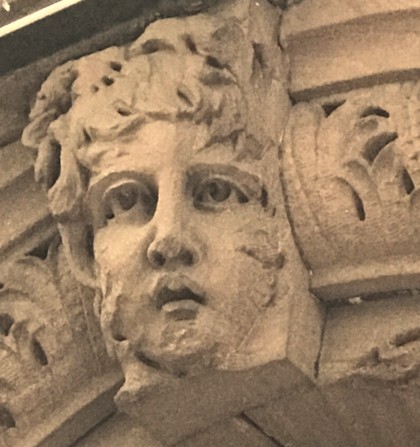
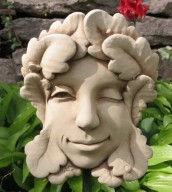
Practice steps to successfully place Ecologic (TM) LithoCast into a modern rubber mold and learn a brief history of the casting process.
Course Objectives and Goals / Outcomes
Please note, last-minute registrations (within 48 hours of the workshop date), are not valid until a confirmation email or phone call is sent from our staff.
8:00 am to 3:00 pm
2027 Schedule
Workshop MAS-07 – External Masonry Castings
Time – 2 day
Audience
Overview
Course Objectives and Goals / Outcomes
Students will be able to take home the wooden form, rubber mold, and their successful casting. Students will also take home a LW bucket and tools used in class.
Materials/PPE
Schedule
8:30 AM: Register in office, print out paperwork, head to the mill.
9:00 AM:
1. Introduction
2. Description of workday
9:30 AM: Mix up the rubber solution and yard ornament.
10:30 AM: Casting and pouring
12:00 PM Lunch
1:00 PM: Rubber molds
2:00 PM: Pour other molds of detailed ornaments.
Lecture Outline
The outline for the lecture will be made after the class. Length and information included will be based on what seems appropriate for this level.
Tentative points to hit:
Ecologic(TM) LithoCast
Fine White Silica Sand
Calcium Carbonate
Linseed Oil
PPE/ Tools
Polytek
| Brand | ARTisAn Objective® |
|---|



No account yet?
Create an Account







Reviews
There are no reviews yet