



Hempcrete: What It Is, Benefits, and How It’s Used in Modern Construction

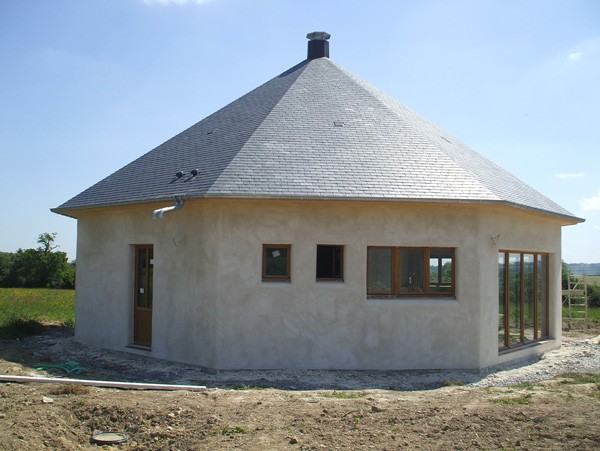
The eco-friendly insulation material used to fill stud cavities within building framing members is Hempcrete. It is not to be confused with structural concrete for building walls with. It is a low strength material that is however tough enough to receive lime plaster and external lime render to create durable and long-lasting breathable wall systems. Hempcrete is a negative carbon insulation material that yields about an R-24 (Restriction to Air-Flow Value) in a 12” thick application. Hempcrete is gaining mounting attention in the sustainable green-building industries since it offers unique properties such as improved indoor air-quality and comfort with all of its excellent environmental values. Because of its breathable nature, Hempcrete is also known for its long-term resistance to moisture-related degradation and with our lime binders it becomes difficult to support biological growth.
The Hempcrete Recipe
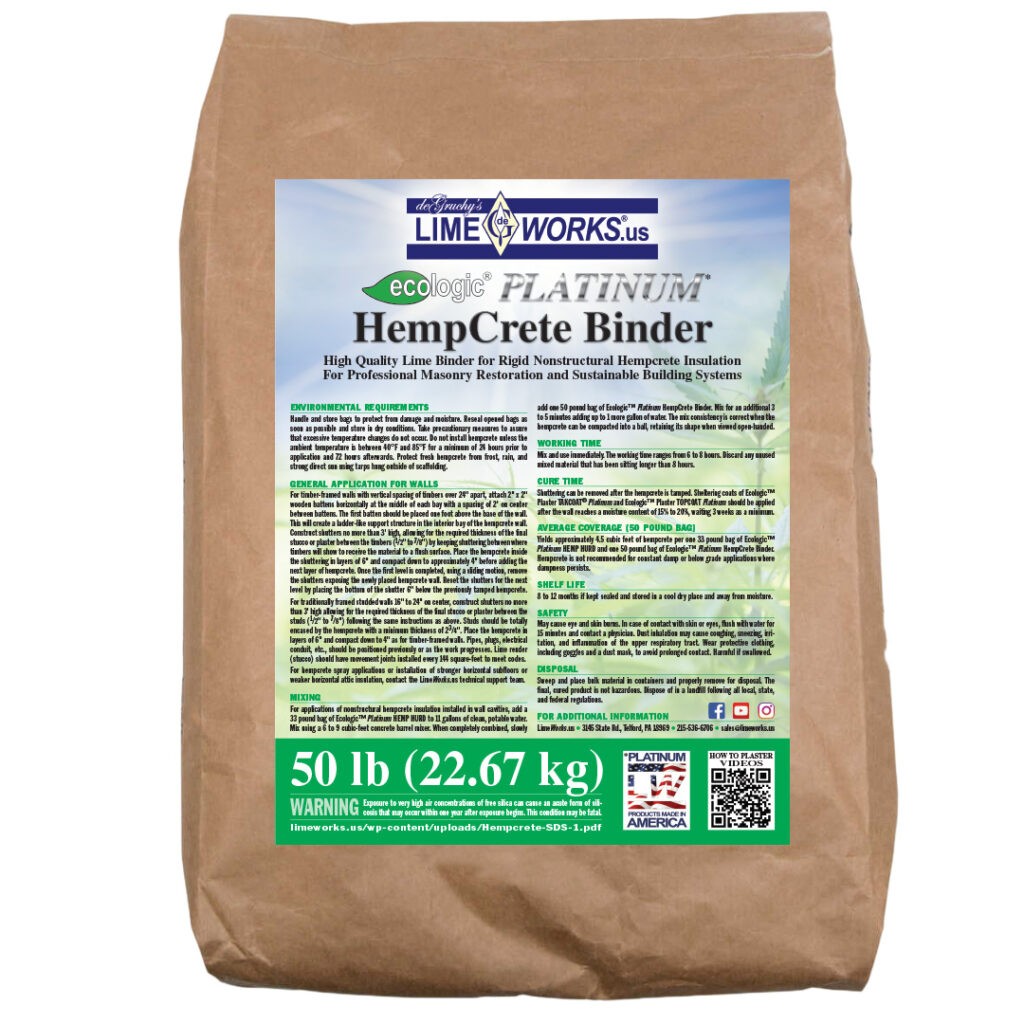
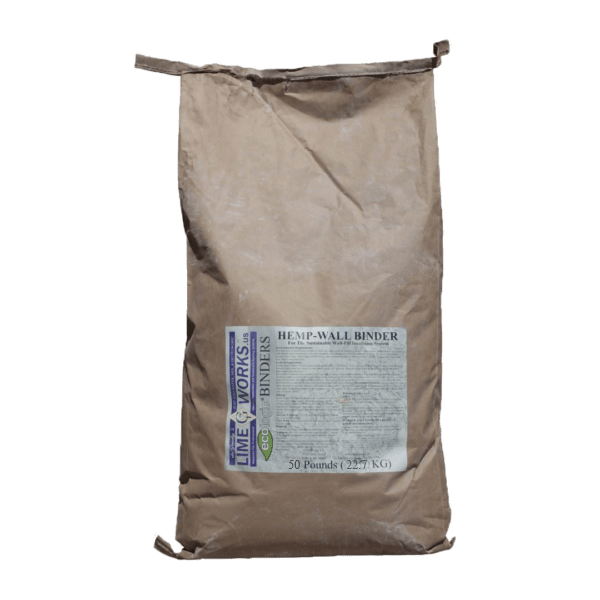
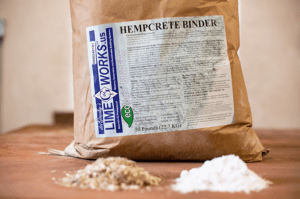
The Hempcrete recipe is very simple. It is made of a mixture of a lime binder and hemp hurds, There are better performing lime binders and better suited hemp hurds available on the market worldwide. The hemp hurds contain the woody inner parts of the hemp plant but the decortication process makes one brand superior over another. Although farmers are now growing Industrial hemp throughout the US marketplace, not many possess the proper process of decortication or work with those who have perfected the process. In the final analysis it matters what the Hemp hurd is used and what binder is used and what the ratio between the two is in order to maintain a superior low thermal conductivity to make Hempcrete ideal as a wall cavity insulation.
Key Benefits and Ecological Impact of Hempcrete
 Given its thermal properties, the right hempcrete mixture is excellent for insulation. As a breathable material, it can absorb and release moisture, helping regulate humidity and reduce mold risk, while its lime content also provides strong fire resistance. Hemp’s fibrous, porous structure makes it ideal for forming the lightweight insulating core for both thermal and acoustic insulation. Hemp is so ecologically friendly that the crop (that grows in only 3–4 months to full 12′ stalks can also be grown in the same soil up to three times in any one growing season), it requires less water than most crops, it improves soil health, and it requires little to no pesticides to protect it. This makes it one of the most scalable and environmentally friendly materials on the planet.
From an ecological standpoint, hempcrete is usually carbon neutral but some manufacturers of Hempcrete binders are monitoring the purity of their binders so that it results in a carbon-negative outcome. The hemp plant itself along with the curing lime binder altogether absorbs CO₂, acting as a carbon sink. In contrast, although not a replacement for Hempcrete insulation, Ordinary Portland Cement based concrete, as a greatly used building material is on the other hand one of the biggest emitters of CO₂ on the planet, responsible for 7–8% of global CO₂ emissions. For insulation, fiberglass when made after first melting sand to make glass then using copious amounts of electricity to spin the glass results with a high embodied energy and large carbon footprint as opposed to sustainable Hempcrete.
How Hempcrete is Installed in Real-World Construction
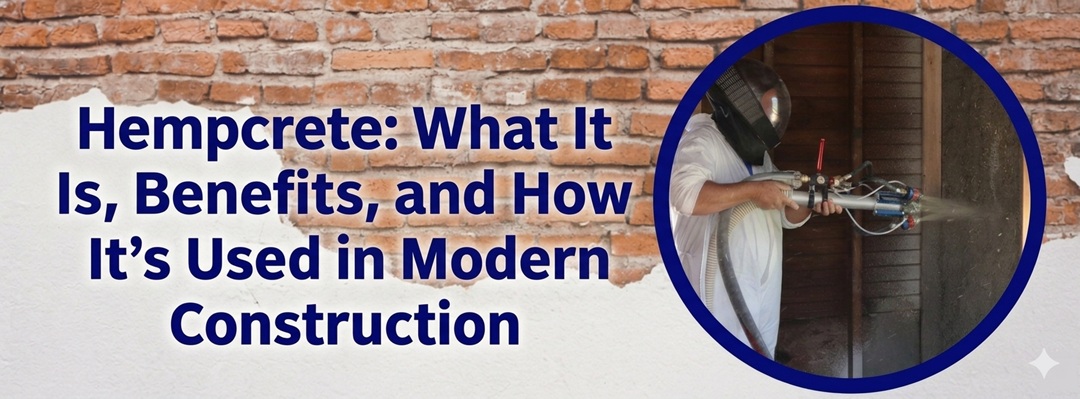
Hempcrete can be installed either by hand mixing and placement or through spray application methods, depending on the scale and type of project.
In manual applications, Hempcrete is mixed on-site and packed behind wood shutters, where it is allowed to set and cure over time. This method is often used for smaller builds or traditional construction approaches.
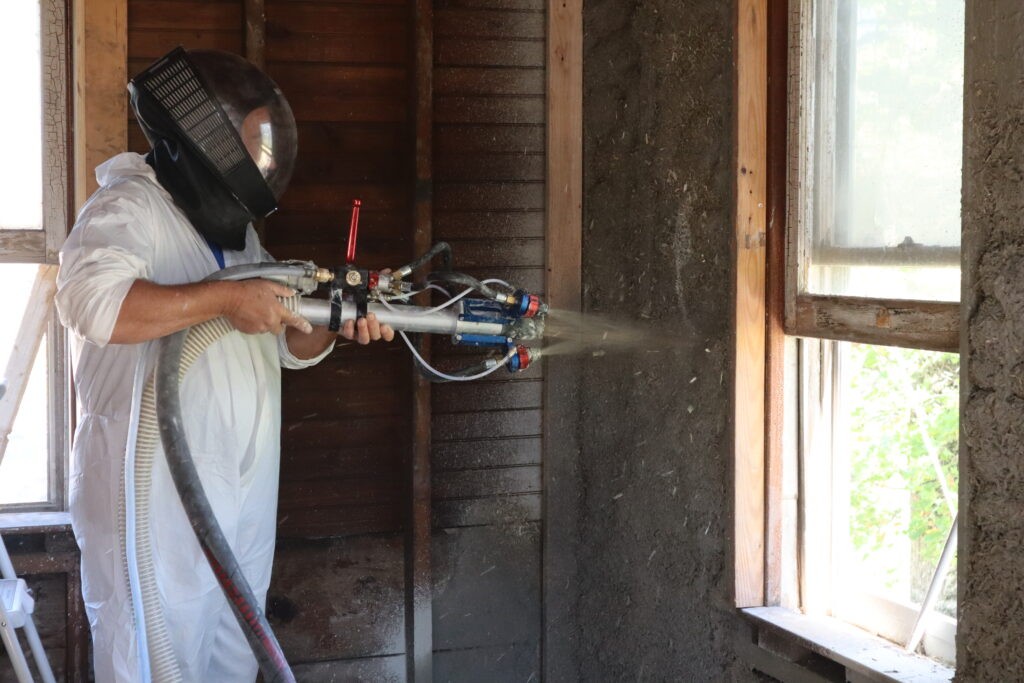
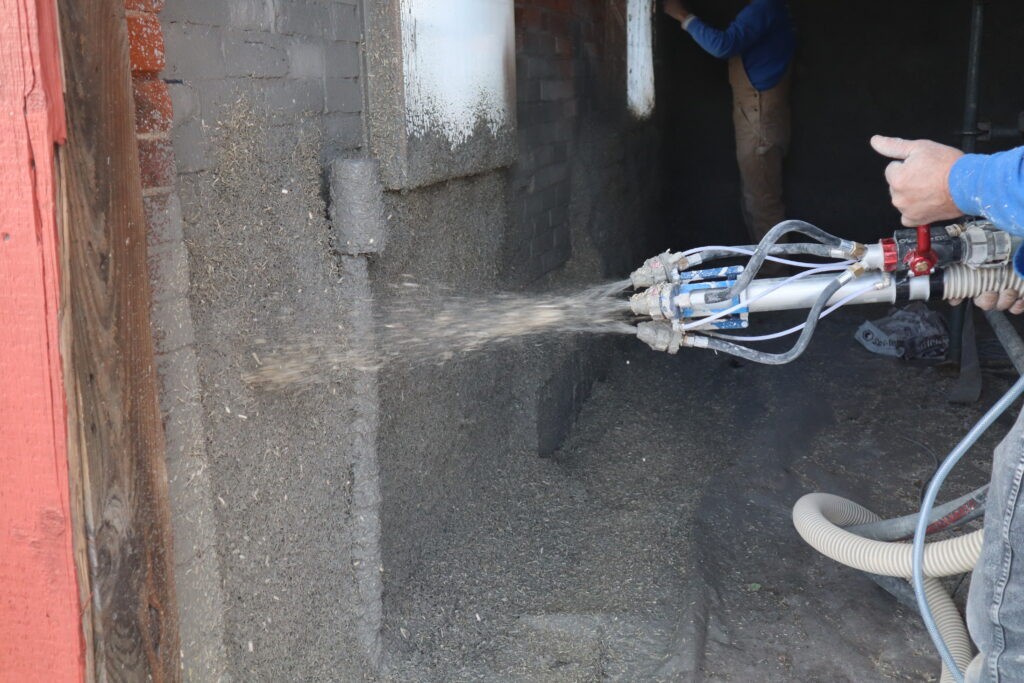
In larger-scale projects, spray application systems can project the Hempcrete mixture directly into wall assemblies, allowing for faster and more consistent installations. Some existing spray systems on the market are bulky, require a large team to manage the application and ends up three to four times more expensive to buy than systems such as the EuroMair® projection system.
LimeWorks®.us offers a workshop that covers both the manual installation method and the EuroMair® projection method for installing for Hempcrete.
For more info on Hempcrete, check out: https://en.wikipedia.org/wiki/Hempcrete
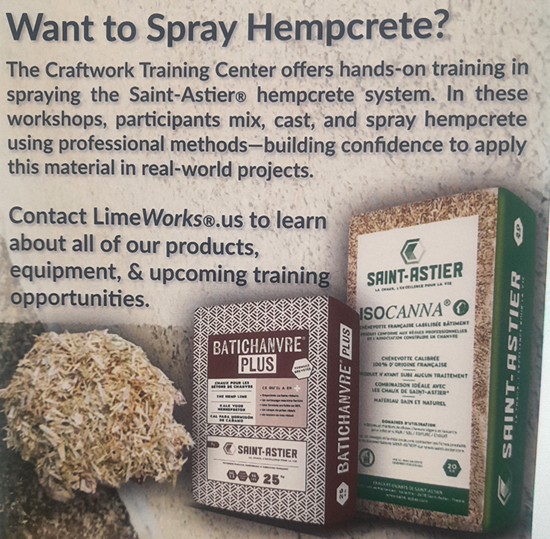
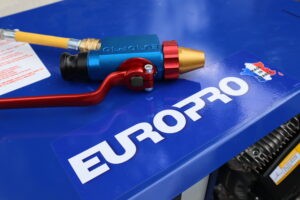 LimeWorks®.us provides materials, equipment, training, and support on the specialized EuroMair® Hempcrete Spray System. In 2026, up to $1500 credit will be applied to up to 3 company representatives towards the purchase of a EuroMair® hempcrete spraying machine from LimeWorks®.us when taking our two-day Hempcrete Workshop.