



Limekiln Pike: A Road Through Pennsylvania History


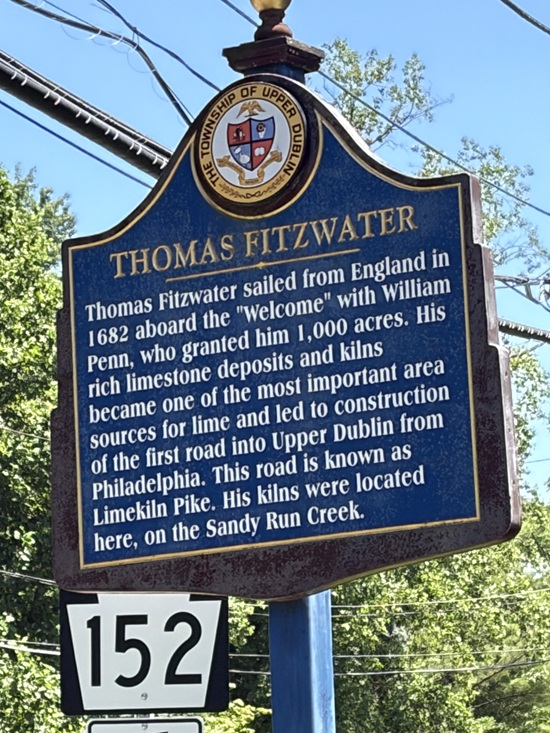
Limekiln Pike has been a major part of southeastern Pennsylvania since the early colonial days, playing an important role in the region’s development, its early lime industry, and the growth of the young nation. Originating in the late 1600s with the discovery of local lime deposits by Thomas Fitzwater, known as a farmer in England and who originally sailed with William Penn on the ship named ‘Welcome’ to arrive in the new territory in 1682. Fitzwater constructed the early lime kilns and the route was later formalized when William Penn ordered the Limekiln Pike road to connect these resources to Philadelphia 333 years ago.
Over time, the corridor helped move lime used in colonial construction and agriculture, supporting the growth of communities throughout the region. Today, it is demarcated as State Route 152 which originates in Philadelphia and ends in Sellersville, PA. The Limekiln Pike remains a visible link between early industry and present-day infrastructure in southeastern Pennsylvania.
Fitzwater and the Origins of Limekiln Pike
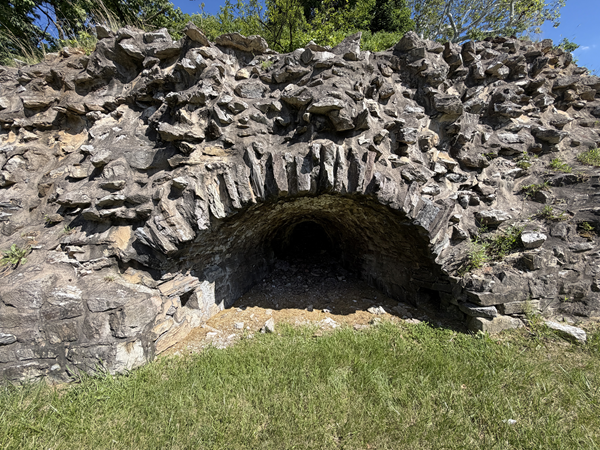
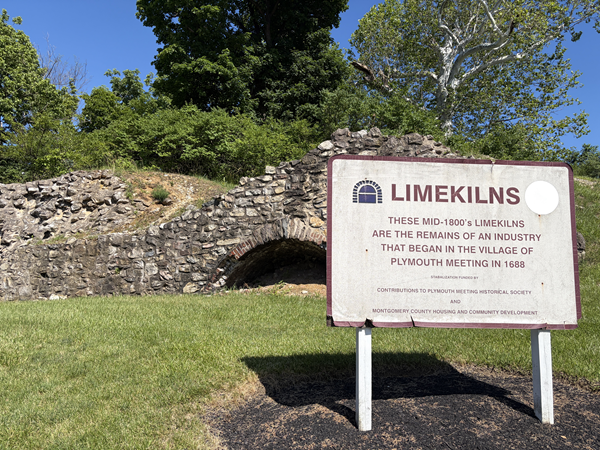
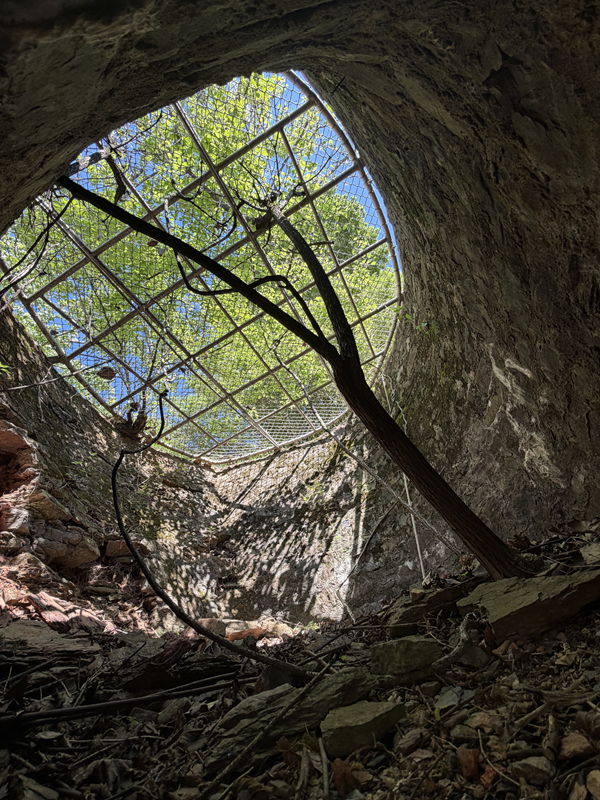
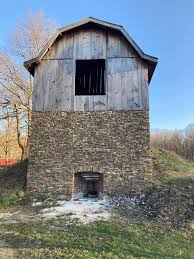
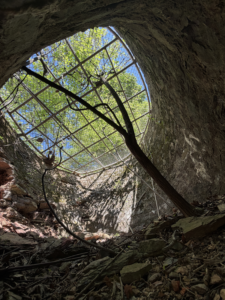 In 1686, Thomas Fitzwater discovered significant lime deposits in what is now Oreland, Pennsylvania. Recognizing the value of the resource, he constructed lime kilns on his property to process the material locally.
Lime quickly became an essential building material in early Pennsylvania, used for mortar, plaster, and ‘sweetening’ the soil to adjust the pH for agricultural applications. As demand grew, access to these deposits became increasingly important to colonial development.
In 1693, William Penn ordered the construction of a road to connect the lime kilns to the Delaware River and the growing settlements of Philadelphia. This route became known as Limekiln Pike and it had tollhouses built to collect payments for use of the road by many villages it passed through until 1917, forming one of the earliest transportation ‘turnpikes’ in the region.
The road served as a critical delivery route for lime moving from rural kiln sites to Philadelphia, where it was used in the construction of homes, public buildings, churches, and early infrastructure. Over time, taverns, farms, and small settlements developed along the route, and lime production became a defining industry of the surrounding region.
A Living Legacy in Telford
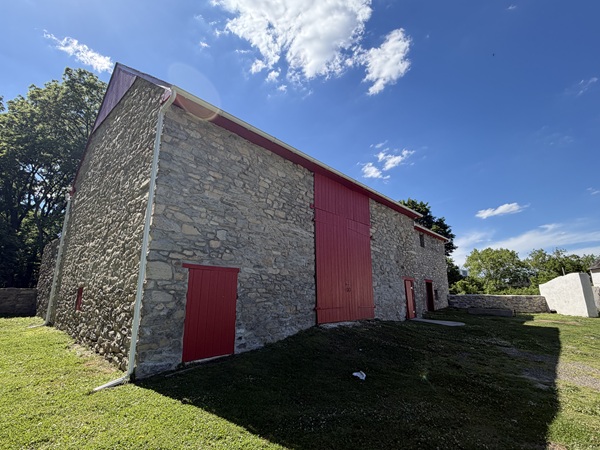
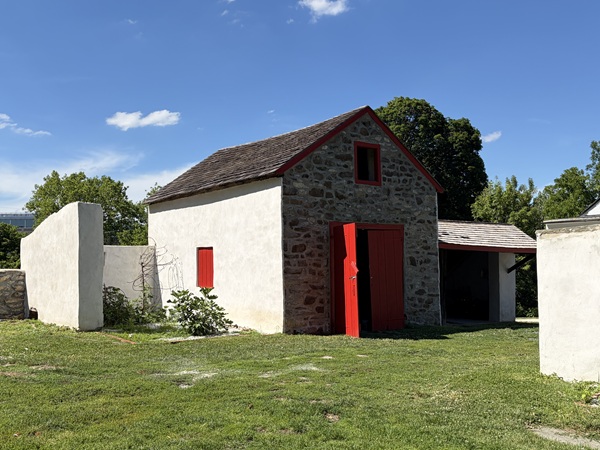
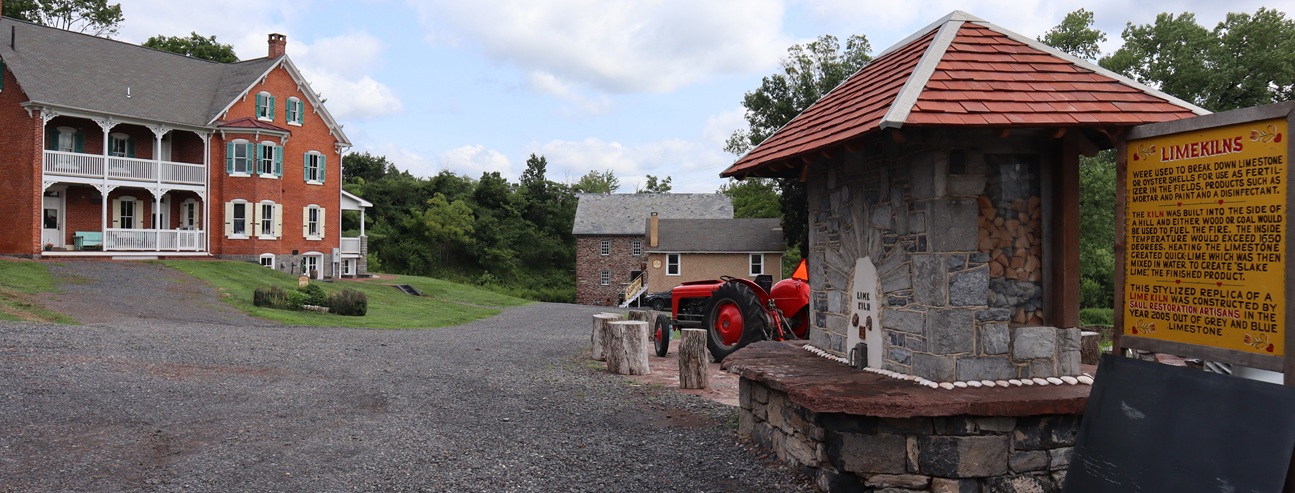
Today, LimeWorks®.us is located at 3145 State Road, Telford, PA and is at the termination point of the historic Limekiln Pike.
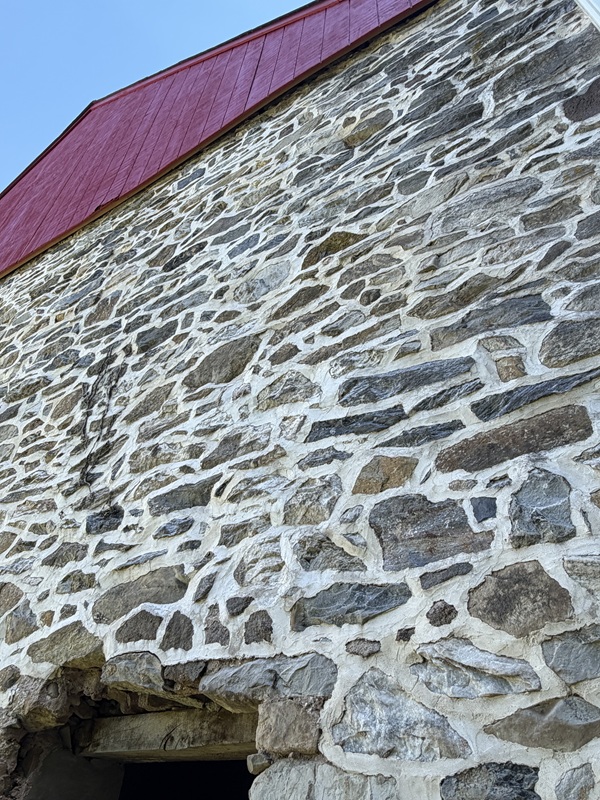
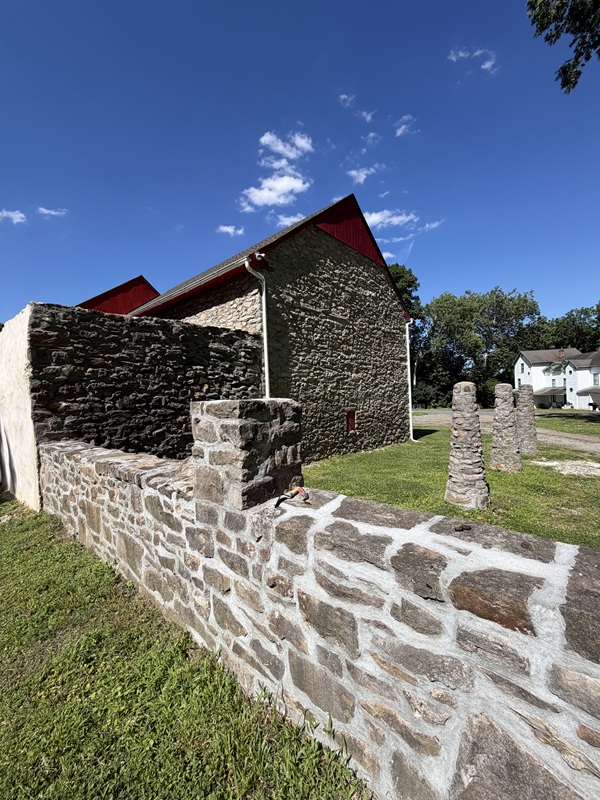
As we reflect on the 333rd anniversary this year of William Penn’s order establishing the Limekiln Pike route and the 250th anniversary of American independence, we are reminded that infrastructure, materials, and craftsmanship shaped the earliest chapters of this nation. Limekiln Pike stands as a lasting example of how industry and settlement developed together, and how those foundations still exist beneath the modern landscape.