



From Colony to Country: The Road to Independence


From Colony to Country: The Road to Independence
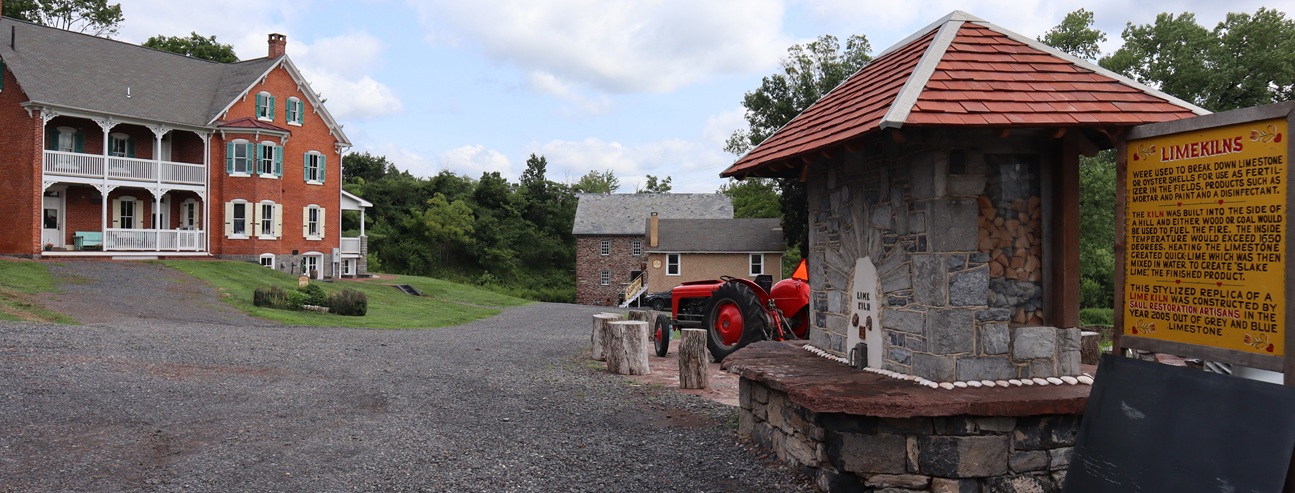
The nation’s journey from a collection of settlements to an independent country was long and uncertain. In the early colonial days, survival was often the primary concern. Settlers worked to establish reliable sources of food and water, clear forests, build roads, and develop the industries needed to support growing communities. From lime kilns and mills to farms and ports, these early efforts laid the foundation for future growth.
As settlements expanded, roads connected communities, commerce encouraged new industries, and industries fueled further growth. Along these routes, towns, farms, ports, and businesses emerged. What would eventually become the United States was, at the time, a collection of British colonies spread across the Atlantic coast.
Foundations of the Colonies
The earliest colonists faced enormous challenges as they worked to establish permanent settlements in a new and unfamiliar land. Success depended on cooperation, resourcefulness, and the ability to build the infrastructure necessary for survival.
Roads connected communities, trade encouraged growth, and local industries supplied materials needed for construction and agriculture. Over time, the colonies grew into thriving centers of commerce and culture. By the mid-1700s, the American colonies had become an important part of the British Empire, but they were also developing identities of their own.
Growing Tensions with Britain
As the colonies matured, tensions between them and Great Britain began to grow. Colonists increasingly objected to taxation without representation and questioned decisions being made by a government thousands of miles away.
The relationship reached a breaking point in 1773 with the Boston Tea Party, when colonists boarded British ships and dumped tea into Boston Harbor in protest of British tax policies.
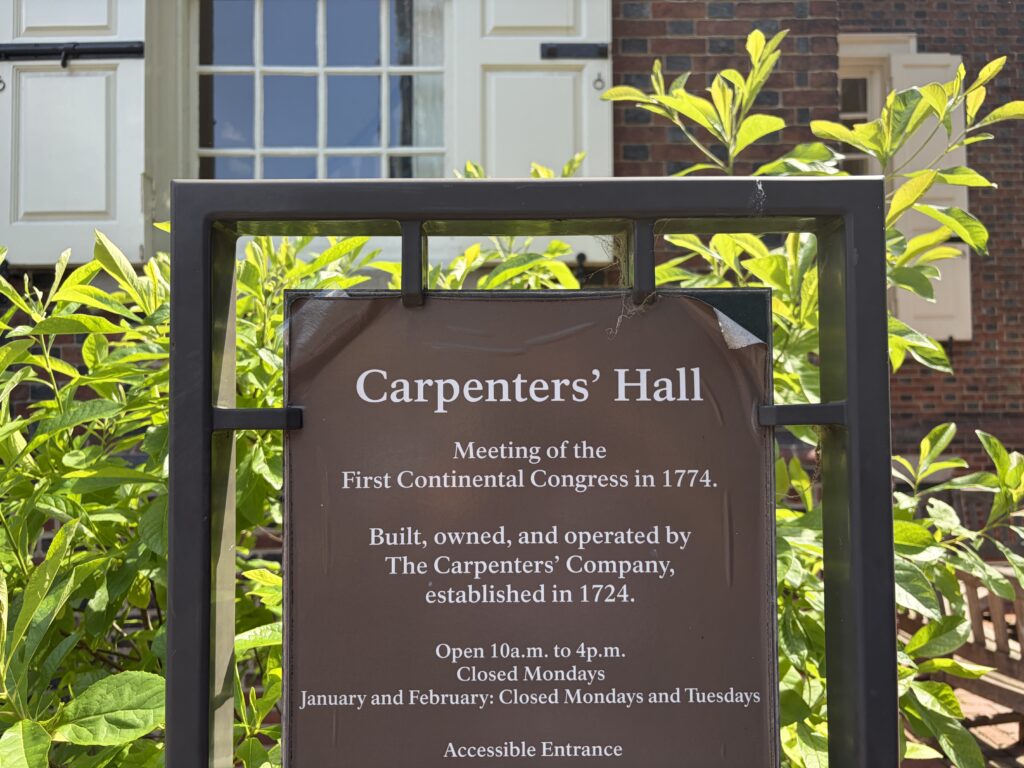
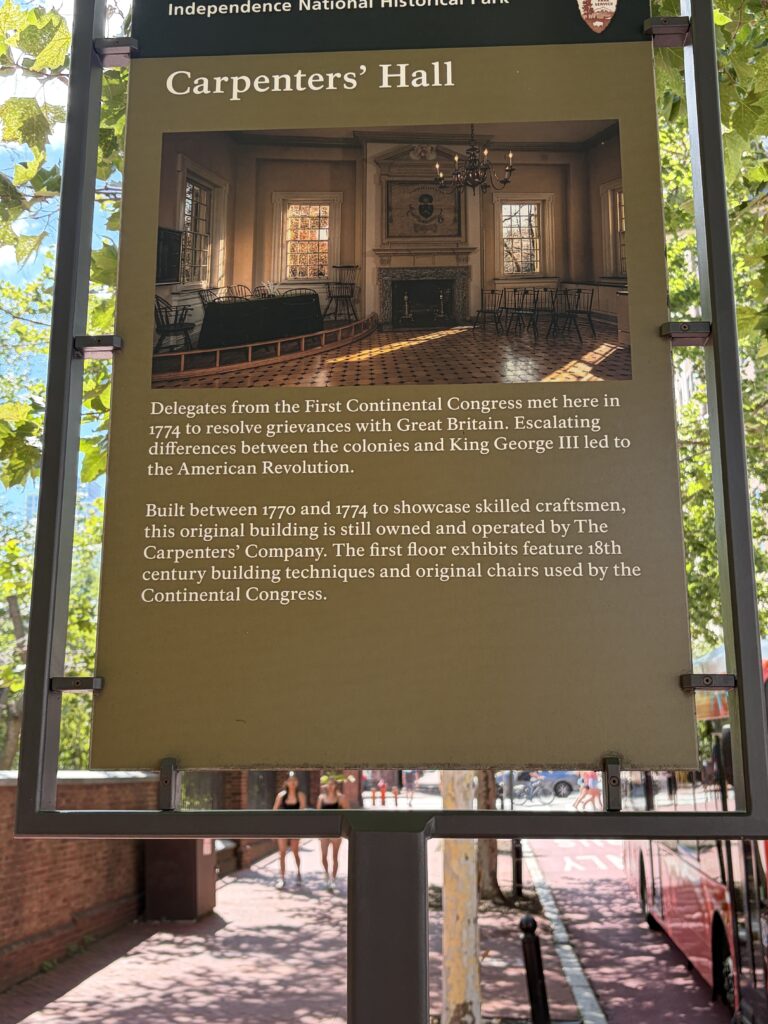
In response to growing tensions, colonial leaders gathered at the First Continental Congress in 1774 to discuss a unified response to British actions. For the first time, representatives from multiple colonies came together to coordinate their efforts, laying the groundwork for greater cooperation and a shared identity.
The Road to Independence
 Conflict soon followed. In April 1775, the first battles of the Revolutionary War were fought at Lexington and Concord. What had begun as political disagreement had become an armed struggle between the colonies and Great Britain.
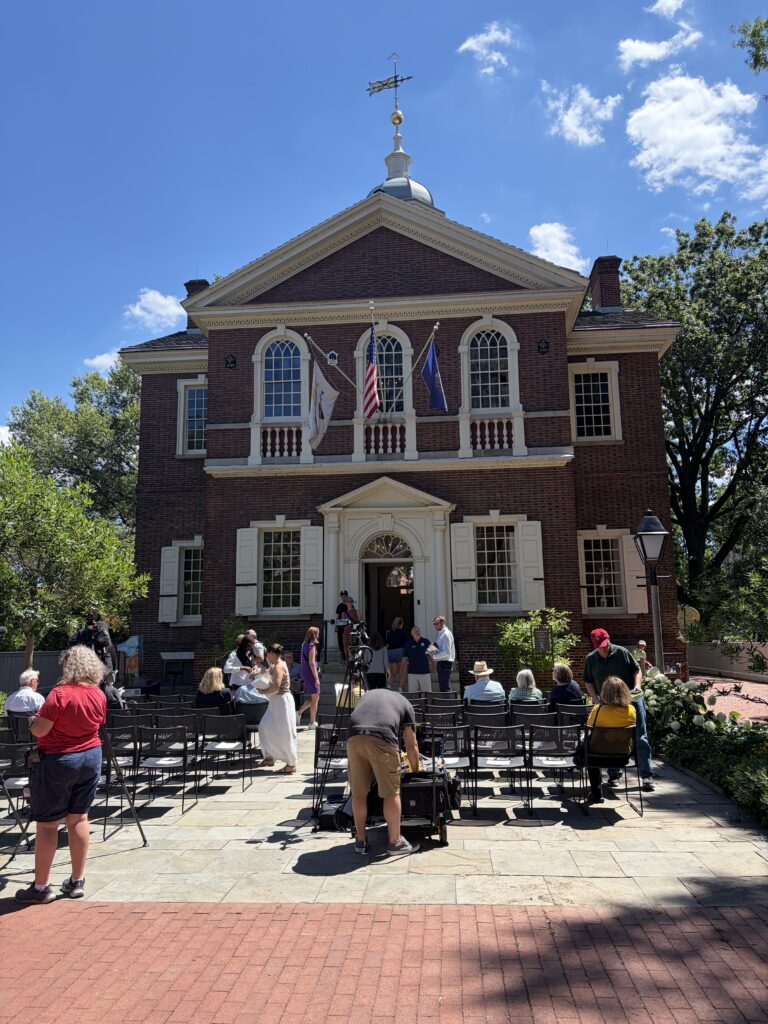
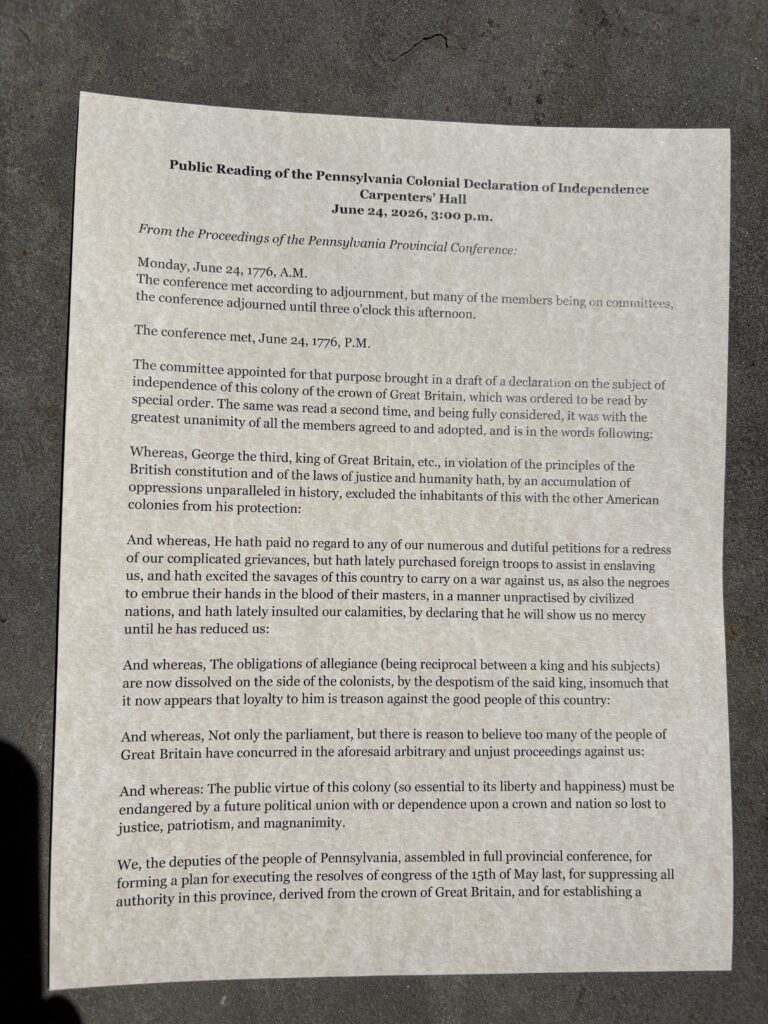
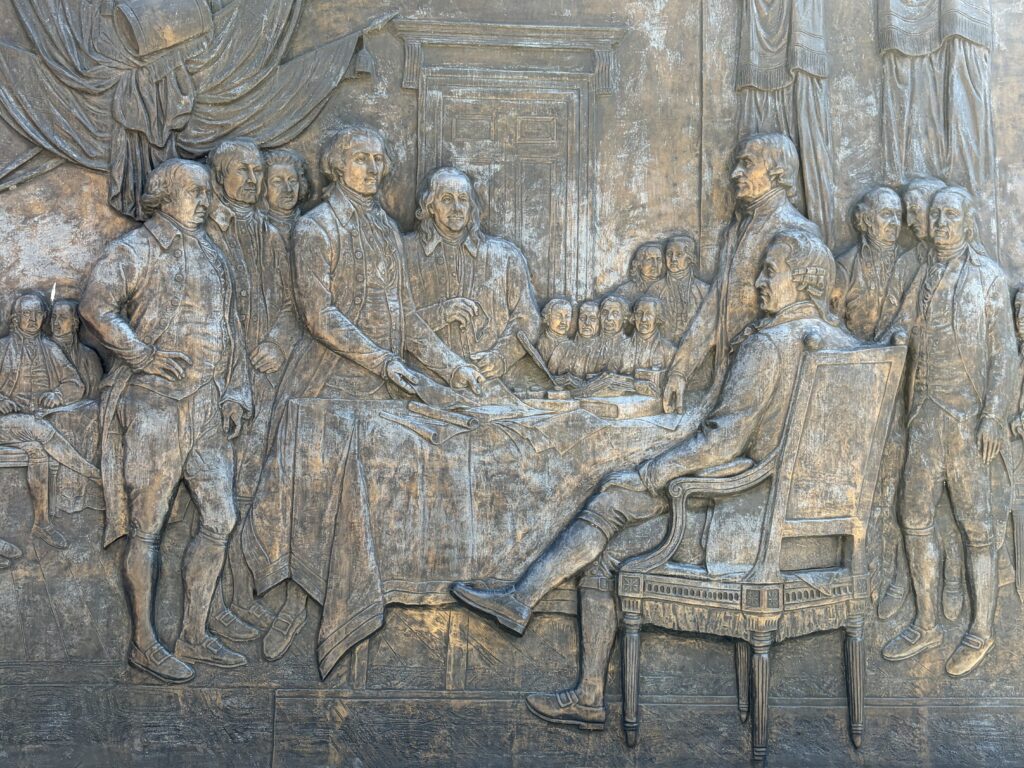
As the war continued, many colonial leaders came to believe that reconciliation was no longer possible. On June 24, 1776, the first public reading of the Declaration of Independence occurred in Philadelphia at Carpenters Hall. Ten days later, the Second Continental Congress ratified the Declaration of Independence. Finally, on July 4, 1776, the Second Continental Congress adopted the Declaration of Independence in Philadelphia, formally declaring the colonies free and independent states.
Independence did not guarantee success. The future remained uncertain, and the colonies still faced a long and difficult war. Yet the Declaration marked a turning point in history. For the first time, the colonies publicly asserted their right to govern themselves and determine their own future.
The Legacy of July 4, 1776
This July 4, as America marks the 250th anniversary of the Declaration of Independence, we reflect on the long road that led to that moment. The Declaration was not the end of the journey, but the beginning of a new chapter.
Two hundred and fifty years later, the places, documents, and stories of that era continue to remind us how a collection of colonies took the first steps toward becoming a nation. The legacy of July 4, 1776 lives on not only in our institutions and freedoms, but also in the historic sites, communities, and landmarks that continue to tell the story of America’s founding.