


Why 2026 is the Year of Historic Preservation


In 2026, the United States of America will mark its 250th anniversary—a moment that invites reflection not only on our history, but on how we choose to carry it forward. As communities across the country prepare for this milestone, historic preservation is stepping into the limelight.
This year represents a turning point where historic preservation becomes central to how we honor the past while building a sustainable future.
1. America’s Built History Is Central to the 250th Celebration
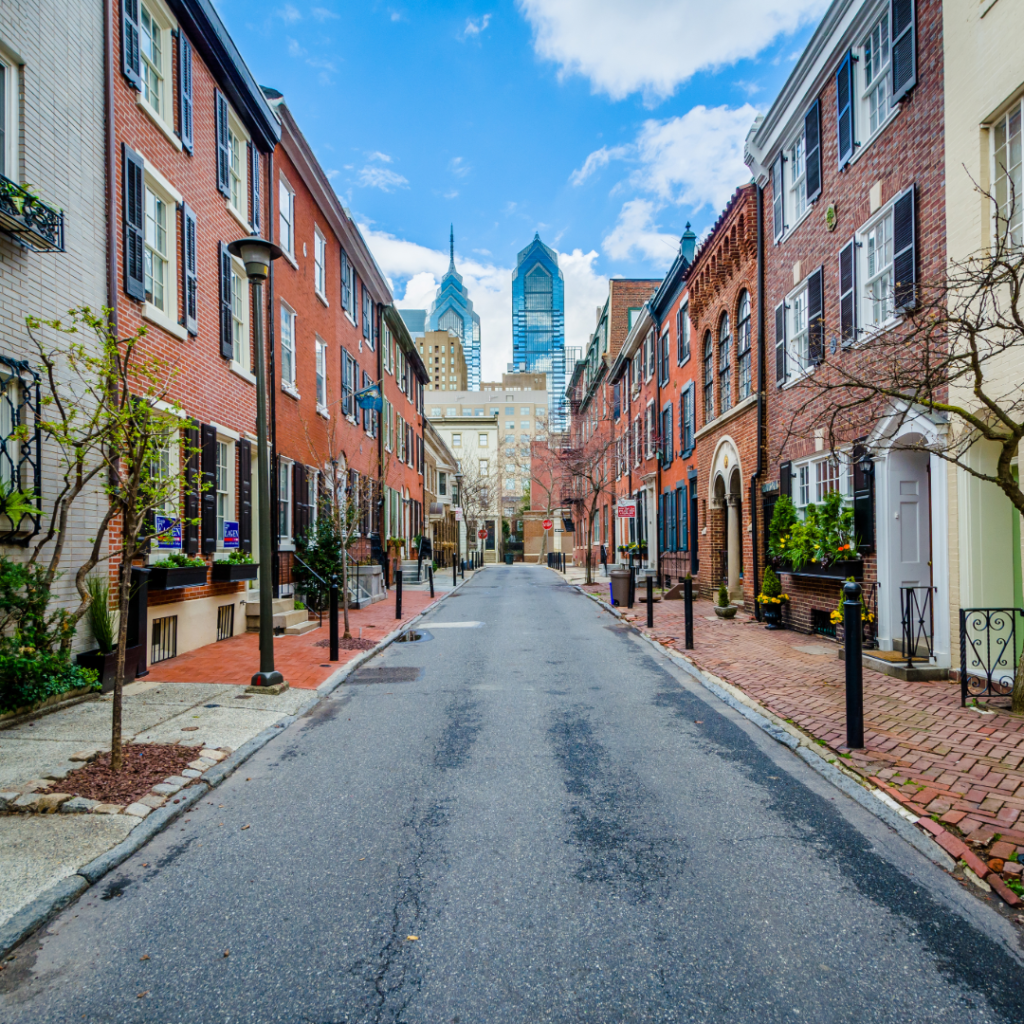
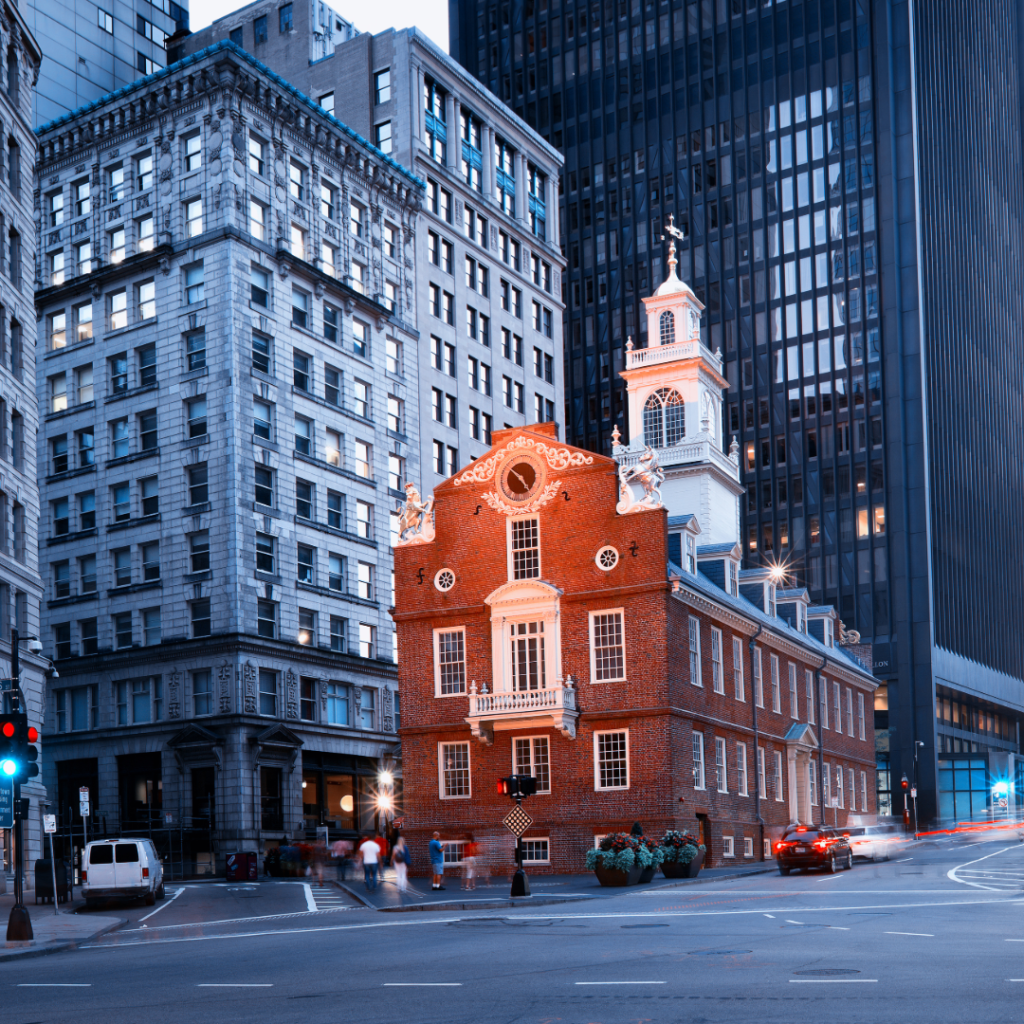
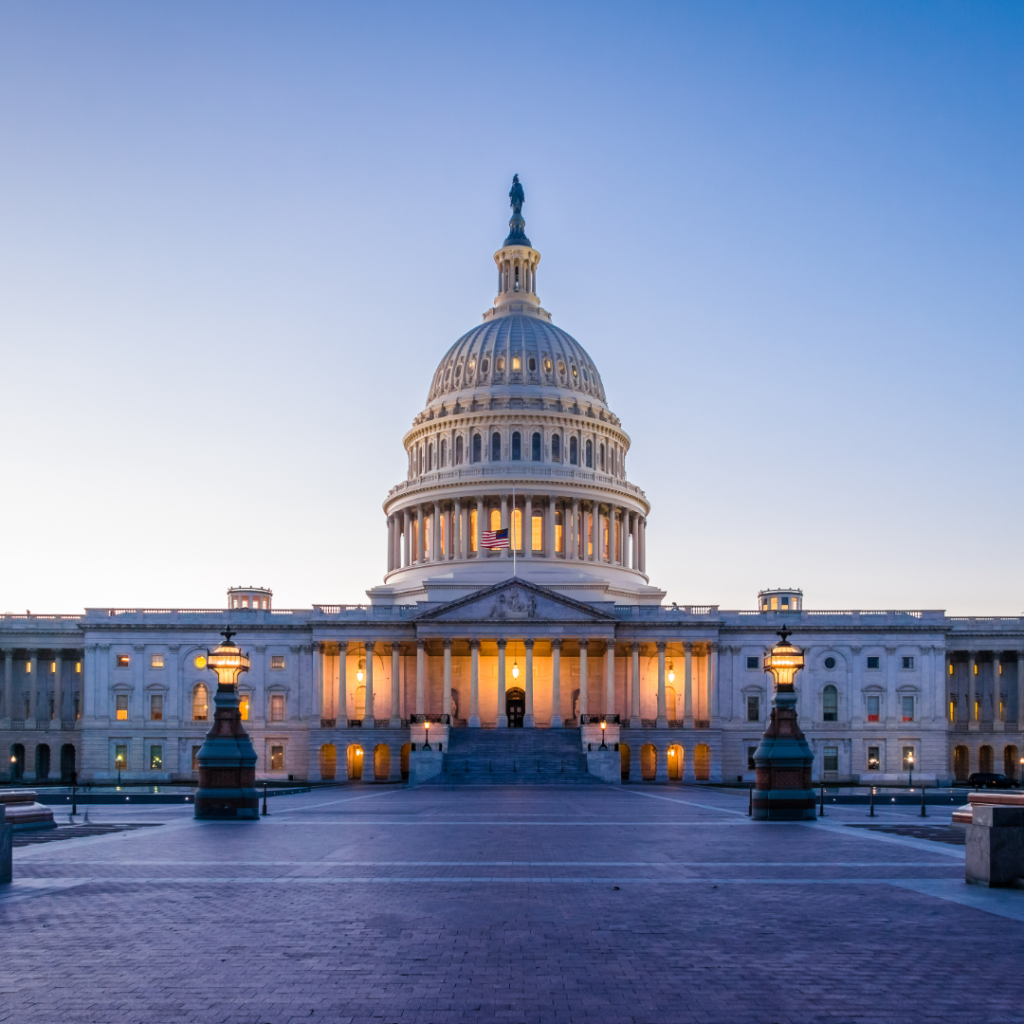
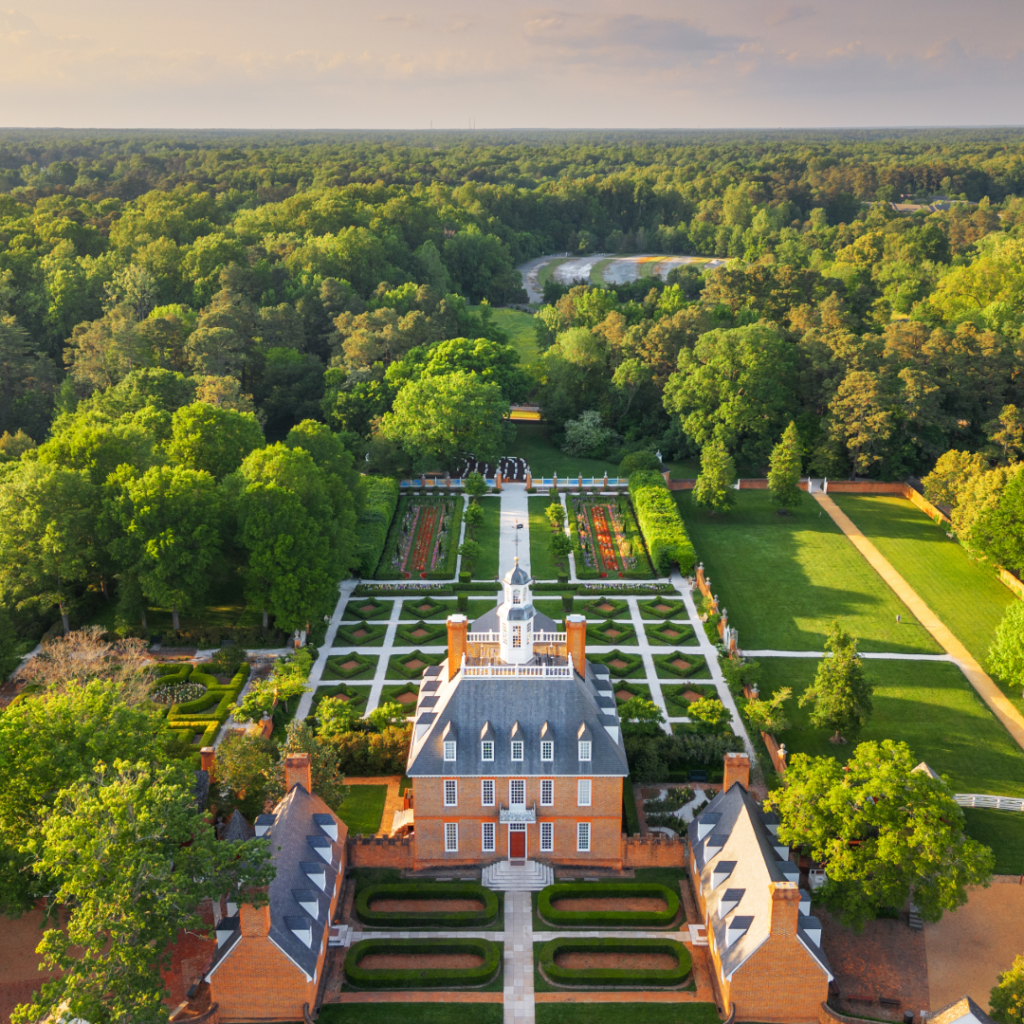
The story of the United States is written into its buildings—courthouses, homes, industrial sites, churches, college campuses, and public spaces that span centuries of use. As the nation approaches its 250th anniversary, there is renewed focus on protecting and interpreting these places as living resources, not static monuments.
Preservation ensures these structures remain active participants in our communities, capable of educating, gathering, and serving new generations.
2. Preservation Aligns With National Sustainability Goals
Across the U.S., conversations around sustainability now recognize the environmental cost of demolition and new construction. Reusing and repairing existing buildings is one of the most effective ways to reduce embodied carbon and material waste.
Traditional materials—such as lime-based mortars, plasters, and mineral paints—play a critical role in this effort. Their durability, compatibility with historic masonry, and long service life align directly with national goals for resource conservation and responsible building practices.
In 2026, preservation stands at the intersection of environmental responsibility and cultural stewardship.
3. The U.S. Is Reinvesting in Skilled Trades and Craft Education
As the 250th approaches, there is growing recognition that preservation depends on people as much as materials. Across the country, training programs, certifications, and craft education initiatives are expanding to address a critical skills gap.
Historic preservation requires a deep understanding of traditional materials, careful observation, and hands-on experience—skills that cannot be replaced by shortcuts or standardized systems. In 2026, The United States is recommitting to craft knowledge as an essential component of preservation work.


4. Compatibility and Quality Are Becoming National Standards
Many of the challenges facing historic buildings today stem from well-intentioned but incompatible modern interventions. In response, owners, architects, and conservators are increasingly prioritizing material compatibility, testing, and quality assurance.
This shift is reshaping specifications, project planning, and long-term maintenance strategies nationwide. In the context of the 250th anniversary, there is a collective understanding that preservation efforts must last—not just through a celebration year, but for generations to come.
5. Preservation Is Expanding the National Narrative
The America250 commemoration encourages broader, more inclusive storytelling. Preservation plays a critical role in this effort by safeguarding sites that reflect the full complexity of American history—across regions, cultures, industries, and communities.
In 2026, preservation is not only about iconic landmarks; it is about recognizing and caring for the everyday places that shaped American life.
Looking Ahead to America’s Next 250 Years
Historic preservation in the United States has always been rooted in responsibility—to history, to community, and to future generations. What makes 2026 different is the convergence of national reflection, environmental urgency, and renewed investment in craft and education.
As the country marks its 250th anniversary, preservation stands as a bridge between past and future—ensuring that America’s built heritage remains strong, meaningful, and usable for centuries to come.
2026 is not just a year of remembrance. It is a year of recommitment. Together, we can make it one where the proper materials and knowledge are shared and applied to uphold our most cherished structures.